Lightsmith measures and reports the impact of its investments on adaptation, resilience, and other objectives by developing and applying an adaptation and resilience (A&R) investment framework, an impact measurement system, and an aligned grant-funded program aimed at accelerating the deployment of solutions and technologies.
The Adaptation & Resilience Investment Framework
Lightsmith co-developed the Climate Resilience Investment in Solutions Principles (CRISP) framework in 2024 in partnership with MSCI Sustainability Institute, the Bezos Earth Fund, ClimateWorks Foundation, and the Global Adaptation and Resilience Investment Group (GARI), providing the investment industry’s first comprehensive methodology for identifying and evaluating adaptation and resilience (A&R) companies that offer technologies, products, and services necessary to prevent, prepare for, respond to, and recover from climate-related events.
The CRISP framework establishes clear principles for assessing whether companies enhance resilience to climate impacts, enabling consistent evaluation across sectors and geographies. The CRISP framework is designed to be consistent with the European Union’s (EU) Sustainable Finance Taxonomy definition of climate adaptation investment. The CRISP framework was applied to identify over 800 publicly traded companies providing A&R solutions, demonstrating that climate adaptation and resilience has a significant universe of investible companies.
Released in 2024 alongside the report “The Unavoidable Opportunity: Investing in the Growing Market for Climate Resilience Solutions,” CRISP shapes how institutional investors approach adaptation investing.
Impact Measurement System
Lightsmith created the first Impact Measurement System (IMS) specifically designed for A&R investments in 2018. Lightsmith’s industry-leading IMS is integrated into its investment process and aligns with sustainability frameworks such as the UN Sustainable Development Goals, the 2x Criteria to support investing in women, and the IRIS Impact Indicators.
Lightsmith’s IMS helps companies to identify, track, and report their positive impacts on climate, gender, biodiversity, jobs, and development using baseline indicators and Key Performance Indicators (KPIs) tailored to each investment. Lightsmith’s approach enables transparent reporting while ensuring accountability for both financial returns and measurable resilience outcomes.
Grant-funded Deployment
Climate adaptation and resilience needs are particularly acute in developing countries and emerging markets, yet deployment barriers often prevent or delay solutions from reaching vulnerable communities. The Technical Assistance (TA) Facility addresses barriers to technology and solution deployment through grant-funded projects that accelerate deployment of adaptation and resilience (A&R) solutions produced by Lightsmith portfolio companies in Lower Income Countries (LICs), Small Island Developing States (SIDS), and among vulnerable populations in other developing countries and emerging markets.
With support from the Nordic Development Fund, the TA Facility focuses on de-risking market entry, overcoming early-stage barriers, and demonstrating the business case for climate adaptation and resilience technologies in new markets in developing countries and emerging markets. The TA Facility’s goal is to identify projects that help extend the impact and commercial sustainability of portfolio companies in developing countries and emerging markets, simultaneously deepening climate impact and supporting sustainable growth.
Learn more about completed and ongoing TA Facility projects below.

TA Facility Project Portfolio
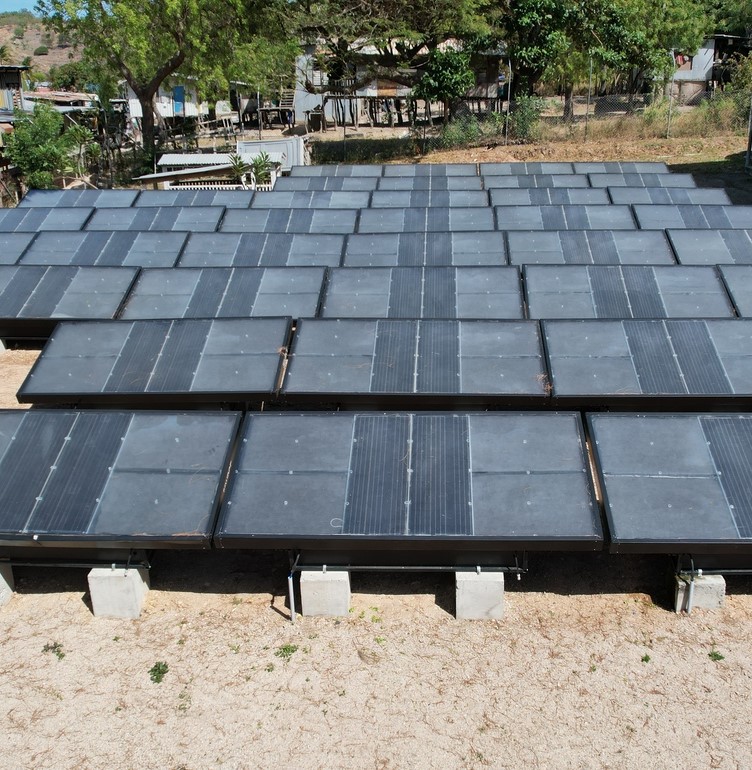
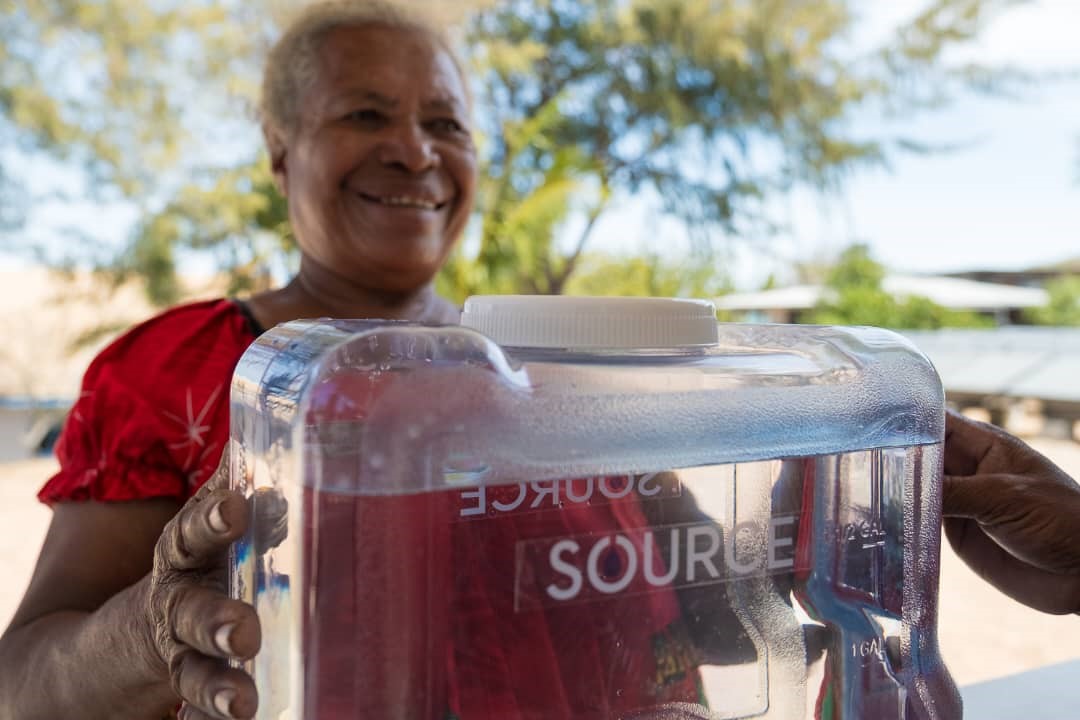
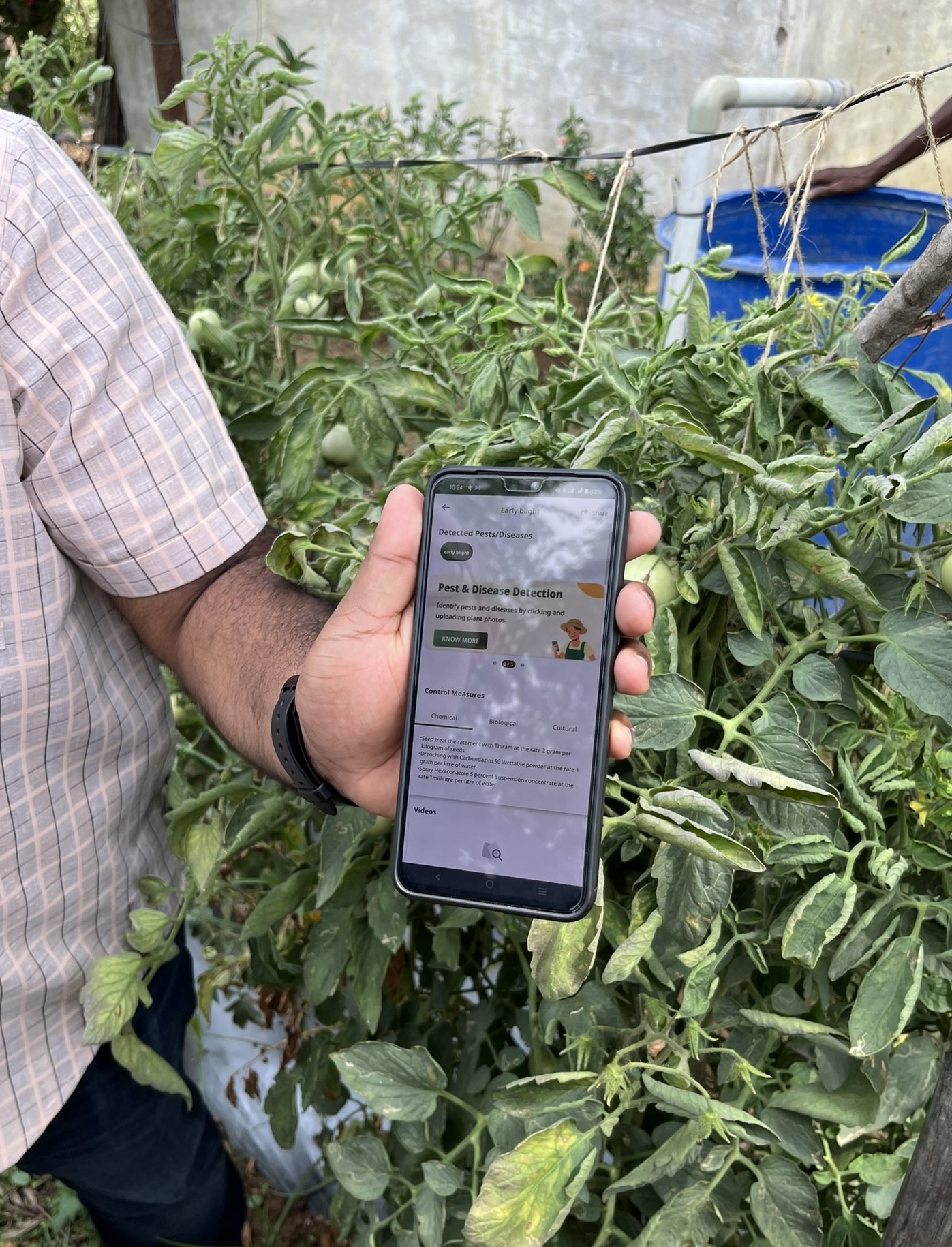
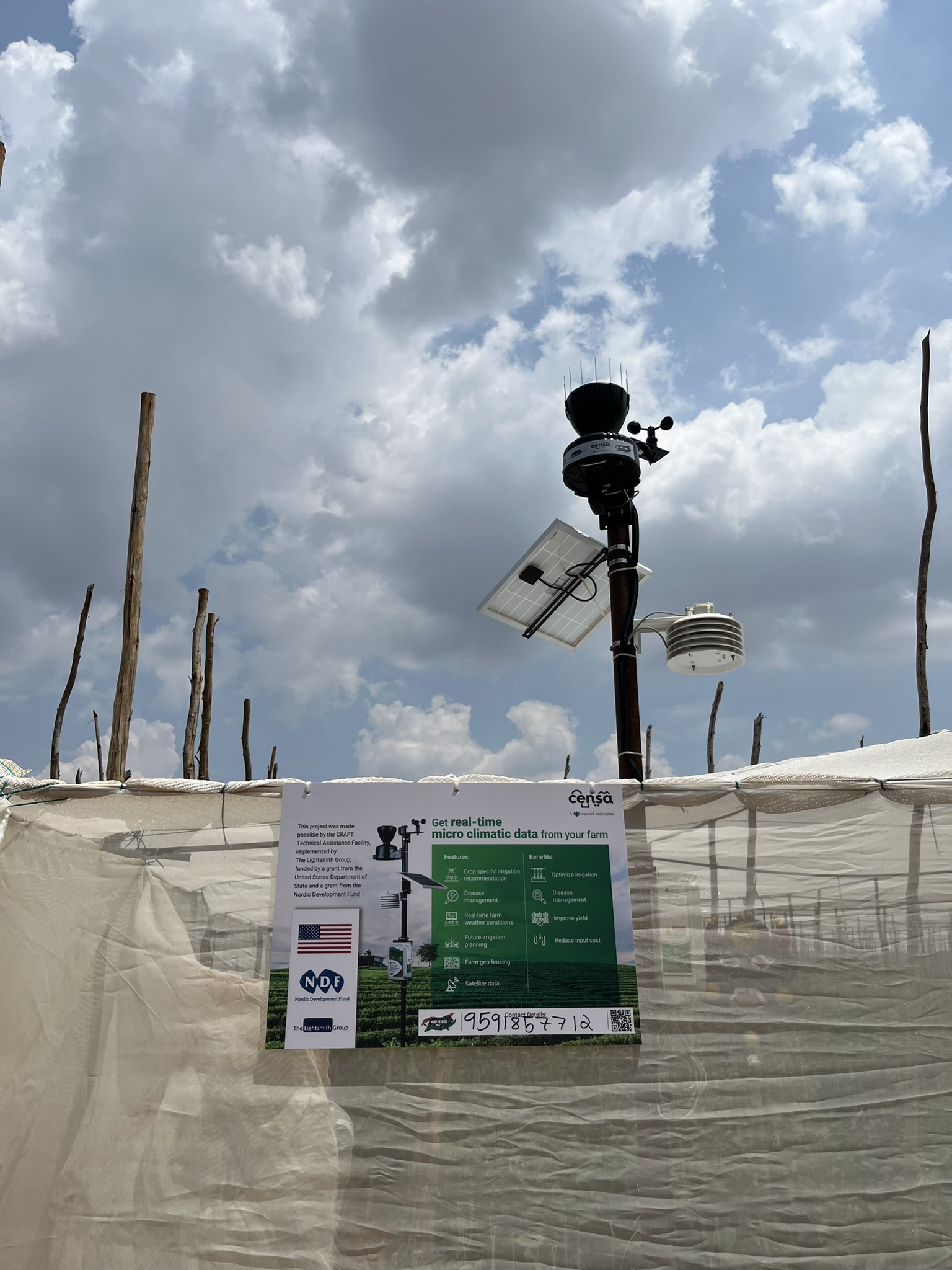
| Water Access in Small Island Developing States (SIDS) | Agricultural Resilience in India | Wildfire and Vegetation Risk Management in El Salvador |
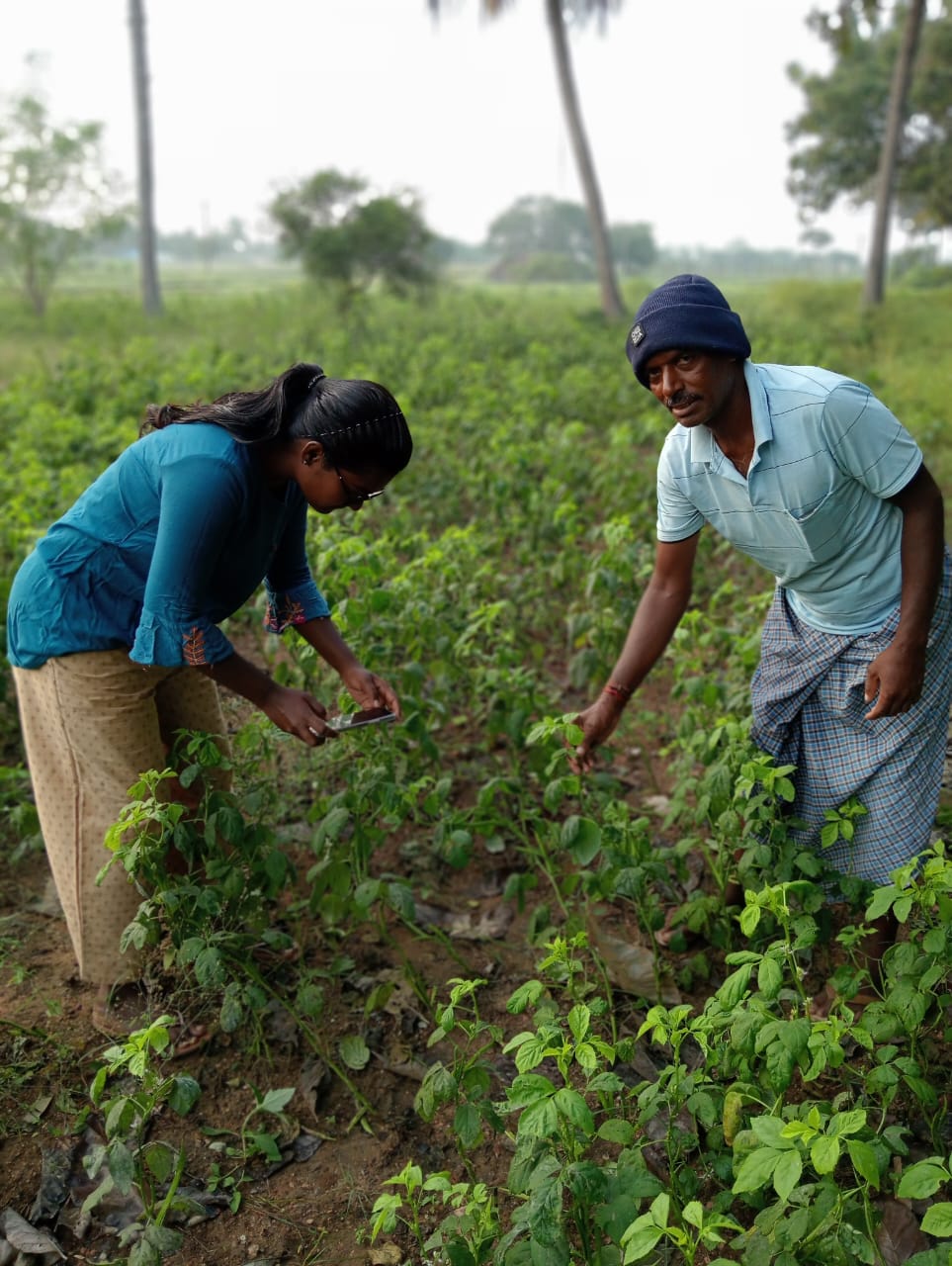
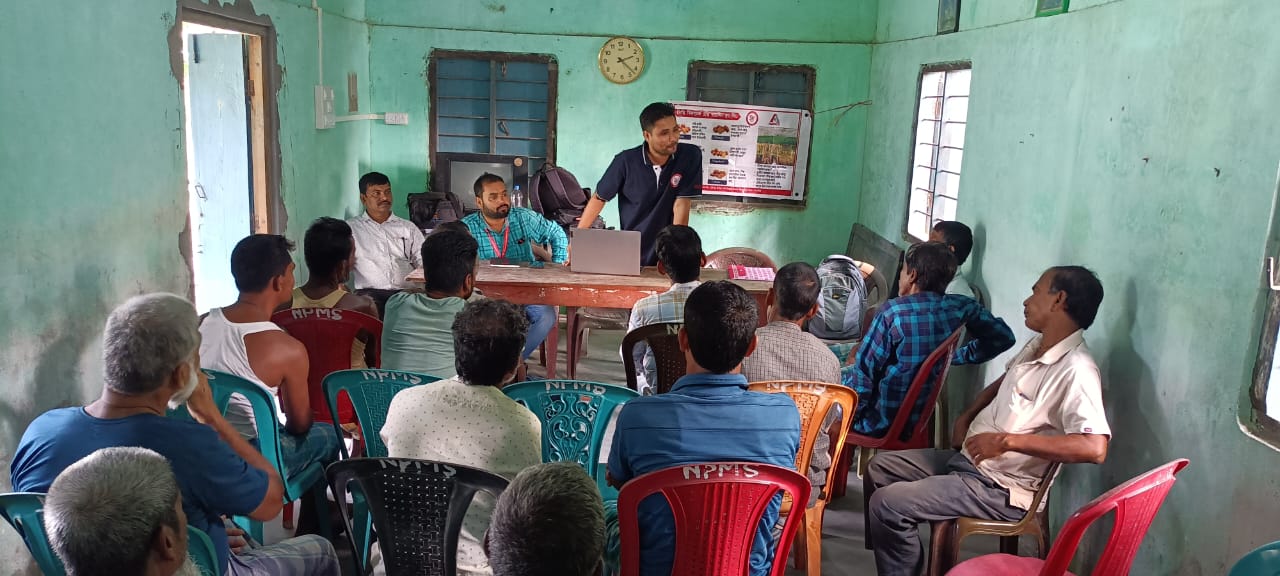
| Deploying capital to SOURCE Global for installation of solar-powered hydropanels producing drinkable water from ambient air in Papua New Guinea, Tonga, and Vanuatu, providing water access to remote communities. | Supported WayCool Foods in deploying IoT weather stations and AI-powered pest detection tools across India as well as supply chain capacity building for potato farmers in Assam and Bihar provinces. | Deploying AiDash’s AI-powered vegetation management technology with DelSur electric utility in El Salvador to reduce climate-related outages in rural communities caused by wildfire and other weather risks. The project seeks to create a scalable model for climate-resilient infrastructure in vulnerable regions. |
| Read the Papua New Guinea Case Study | Read the Potato Supply Chain Case Study | Case study to be published upon project completion |
| Case studies for Tonga & Vanuatu to be published upon project completion | Case study for IoT and pest detection activities to be published upon completion |
Environmental & Social Management System
Lightsmith applies a robust Environmental & Social Management System (ESMS) to safeguard against risk, enhance performance, and ensure alignment with global standards, including those recognized by the International Finance Corporation (IFC). Lightsmith’s ESMS can be viewed in English, Spanish, Portuguese, French, Arabic, and Malay.
Sustainability-related Disclosures
Lightsmith Climate Resilience Partners SCSp RAIF is an Article 9 fund of the EU SFDR.